
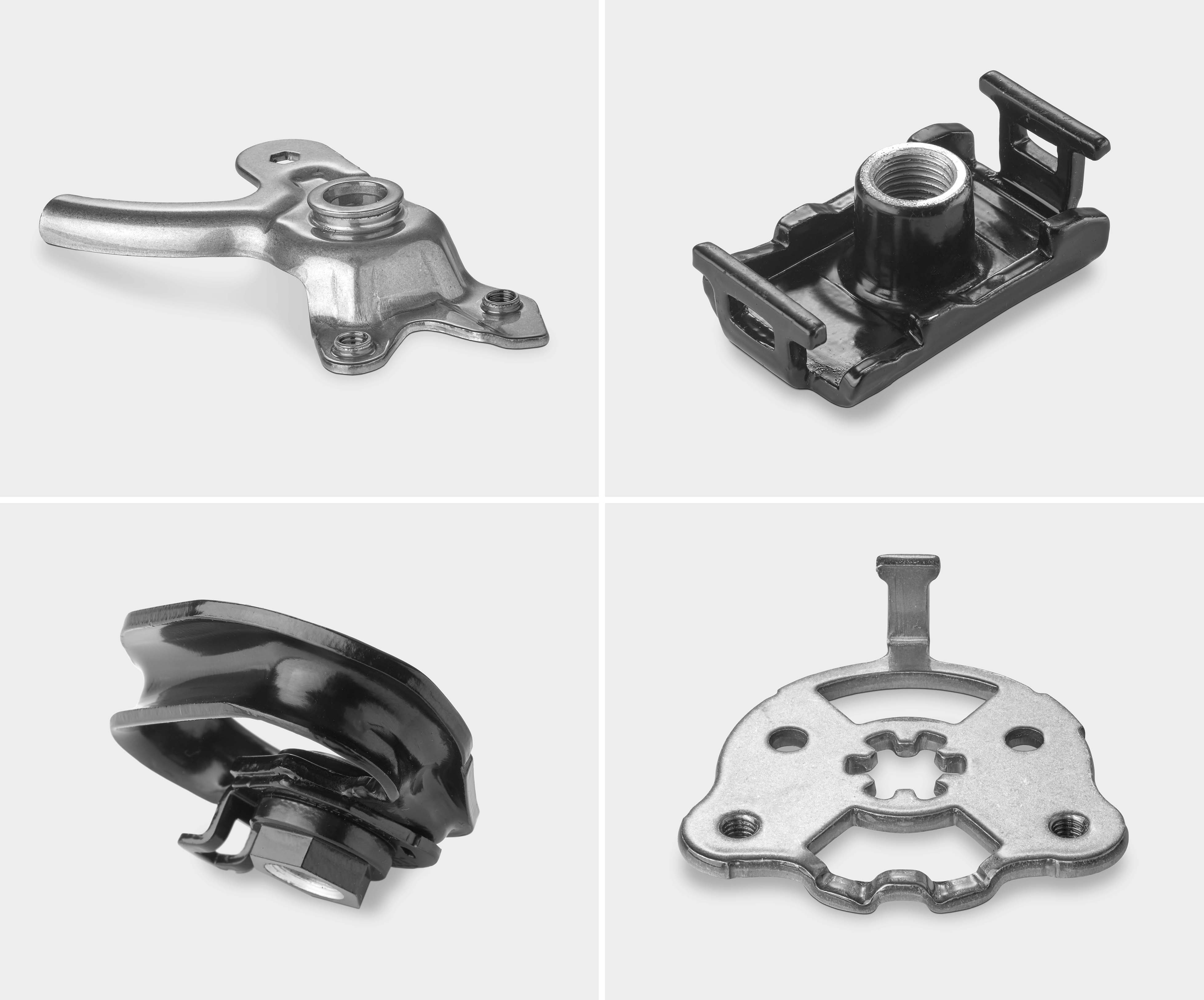
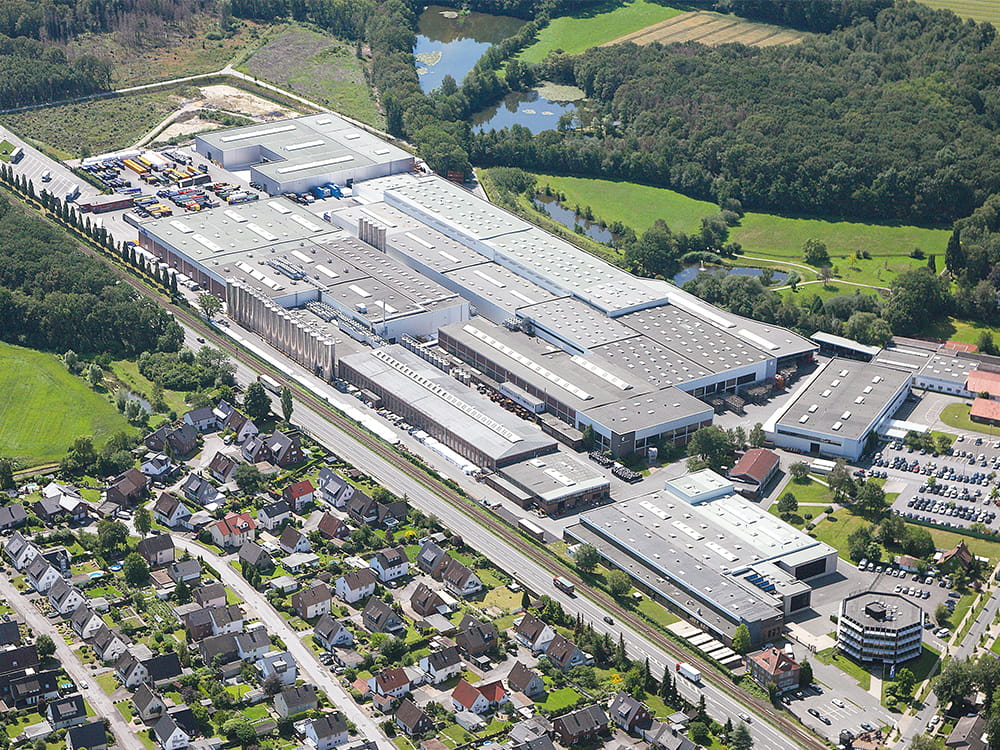
Founded as a metalworking company in 1912, Craemer has been an established automotive supplier since the 1980s. Today, the family-owned company offers full-service sheet metal forming with a high degree of vertical integration. Its single-source approach also makes Craemer a sought-after supplier beyond the automotive industry, for example for metal components used in household appliances.
At its headquarters in Herzebrock-Clarholz, component development, simulation, tool design, toolmaking and high-volume production are closely integrated. The site produces complex transfer and progressive dies, large formed components and ready-to-install assemblies. Craemer has operated additional metalworking sites in Liptovský Mikuláš, Slovakia, since 1997 and in Attendorn, in Germany’s Sauerland region, since 2015.
In-house toolmaking ensures process reliability
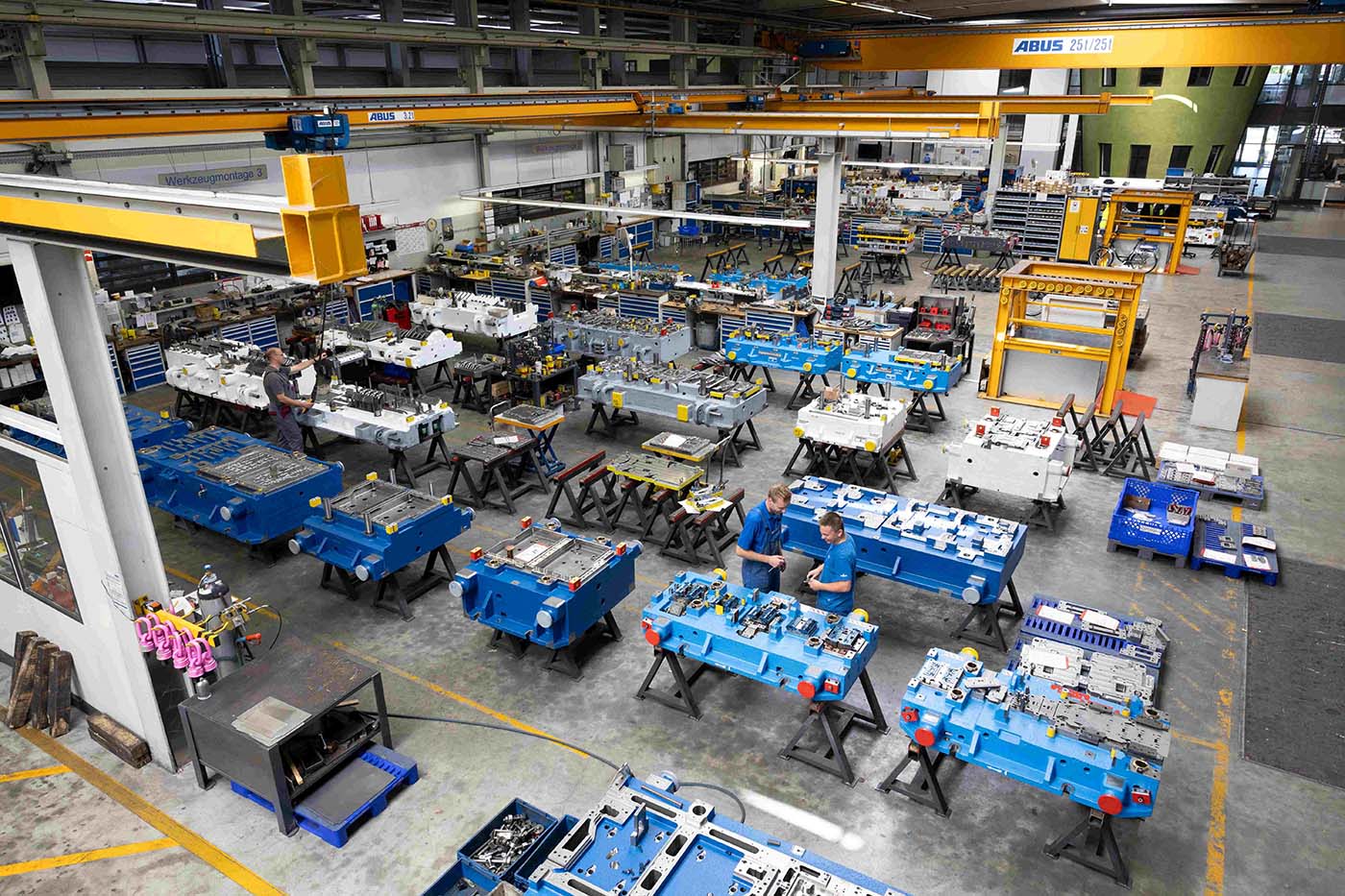
At Craemer, bringing demanding materials into series production starts with component design optimised for manufacture. Feasibility studies and simulations reveal at an early stage how geometry, material and tolerances affect the drawing sequence, springback and component thickness. On this basis, the tool design and toolmaking teams develop transfer or progressive dies tailored to the application. Depending on requirements, dies are built in compact or modular designs, with cast-frame or plate-built construction and lengths of up to eight metres.
A broad range of manufacturing capabilities through to complete assemblies
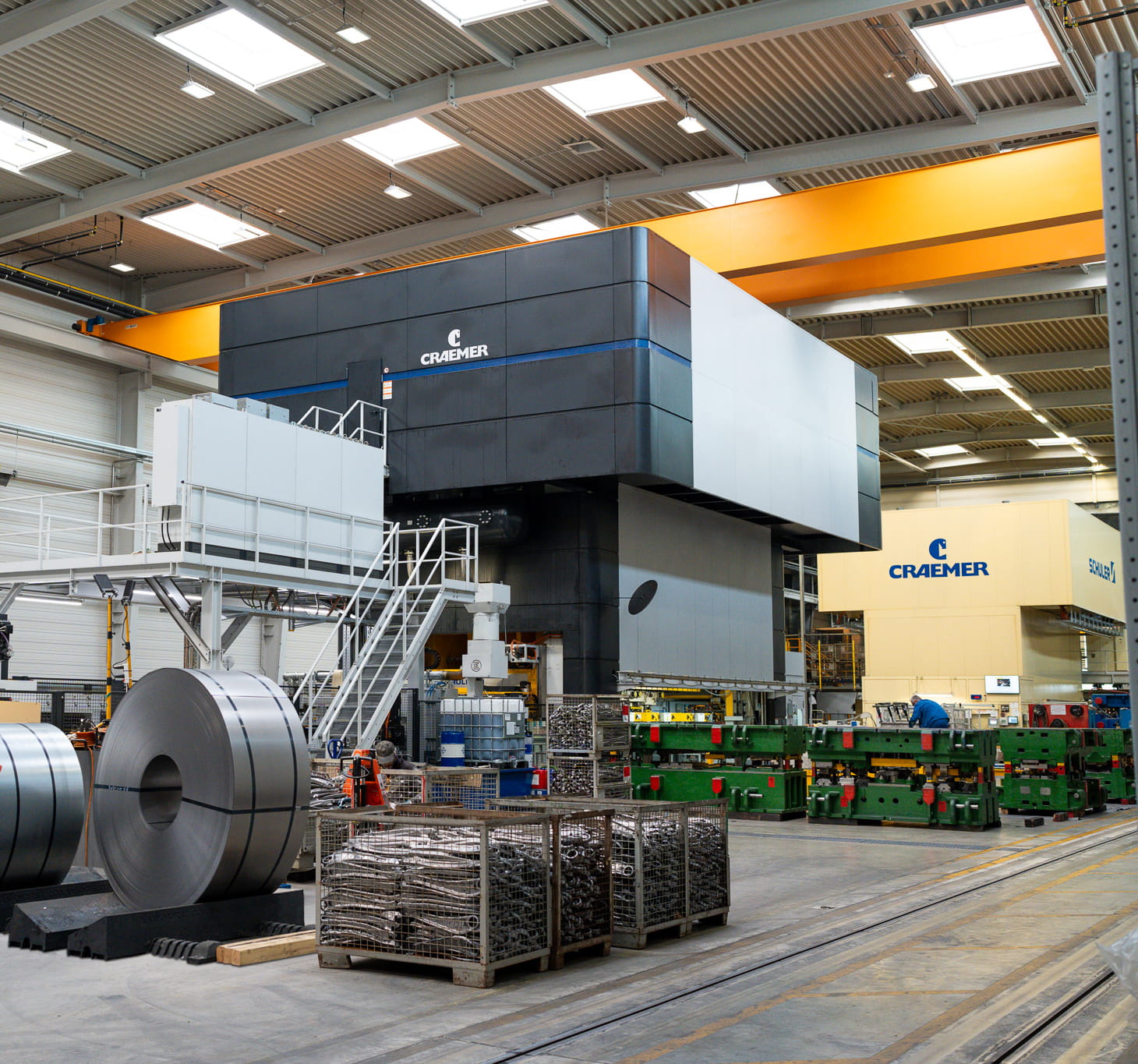
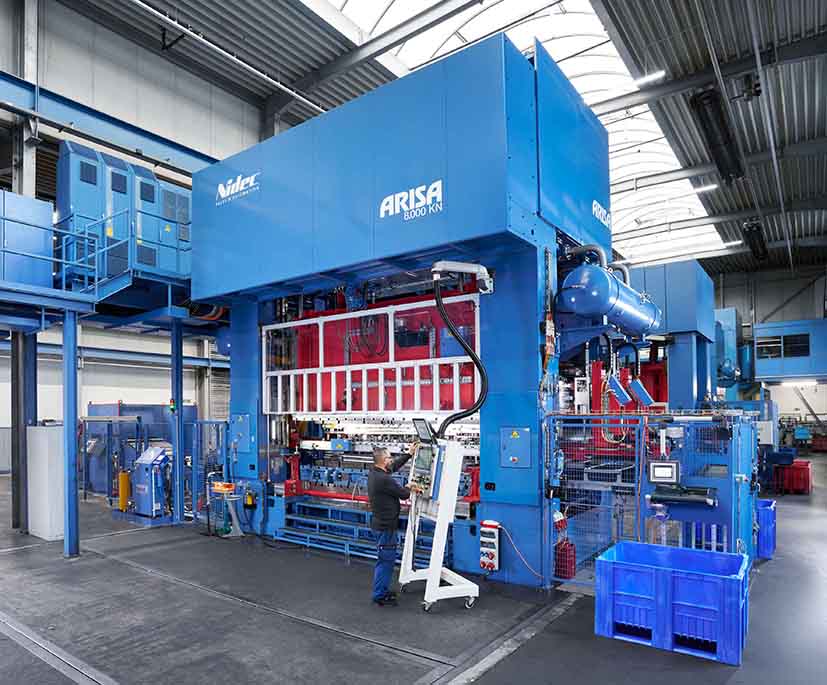
Craemer manufactures components on presses with press forces ranging from 3,150 to 25,000 kN and bed lengths ranging from 3,000 to 8,000 mm. In addition to steel and galvanised sheet, the company processes stainless steel and aluminium. Equipped with direct servo drives, the presses allow ram motion and speed to be precisely matched to each forming process. Downstream joining processes such as metal active gas (MAG) welding, projection welding and clinching extend the range of services. Surface treatment processes include washing, cathodic dip coating (e-coating), powder coating and galvanising. The offering therefore ranges from individual formed components to ready-to-install assemblies.
Benefits of integrated process chains
Craemer’s own press shops continuously provide insights into material feed, tool wear, process deviations and component quality. This experience feeds directly into tool development and process optimisation. The dies are thus consistently designed to support stable, economical series production over a long service life. Preventive tooling maintenance across all three shifts supports short response times and high availability.
High-strength steels combine lightweight design with safety
High-strength and ultra-high-strength steels play an increasingly important role in Craemer’s range of materials. In vehicle manufacturing, they combine high load-bearing capacity with reduced sheet thickness. This allows weight to be reduced in seat structures, restraint systems and other structural components without compromising the required strength.
Processing these materials, however, presents particular challenges, including higher forming forces and greater loads on the tooling. Springback, edge quality, trimming and dimensional accuracy must also be reliably controlled within narrow process windows.
Craemer has the required process expertise and processes high-strength and ultra-high-strength steels in thicknesses ranging from 0.4 to 4 mm. The company relies on an integrated technical process chain, from deep drawing simulation and material-specific forming process planning through in-house toolmaking to servo presses with precise control.
Green steel supports supply chain decarbonisation
Alongside technical properties, the origin and production methods of the steel used are becoming increasingly important. A substantial share of a formed component’s carbon footprint arises during steelmaking, before the material reaches the press shop. Craemer therefore offers its customers the option of having components manufactured from certified carbon-neutral ARVZERO steel. The material is supplied by Italian steelmaker Acciaieria Arvedi, with which Craemer has signed a cooperation agreement. The manufacturer uses selected recycled scrap and a particularly efficient electric arc furnace powered by certified renewable energy.
Vertical integration delivers measurable customer benefits
For automotive customers, the advantage lies in the close integration of these different areas of expertise. Fewer interfaces simplify project coordination and change management, while insights from series production feed directly into tooling and process optimisation. Manufacturability, tooling costs, correction cycles, production ramp-up requirements, process capability, cycle time and delivery capability can all be assessed across the entire process chain. This makes the benefits of vertical integration clear from both an engineering and a commercial perspective.
Automated material flow and traceability down to the individual packaging unit also incorporate delivery logistics requirements into the integrated process chain. Craemer thus positions itself as a full-service solutions provider that turns material innovations into economical series production concepts with reliable processes and robust performance.
Administration: Brocker Straße 1
Logistics, delivery, pick-up: Alte Ziegelei 2
33442 Herzebrock-Clarholz
Germany